







Search Results for: trademark invalid
The Full Story of the "Chayan Yuese" Trademark Being Declared Invalid: Deemed Similar to Chayan Yuese and Rejected, Registrant Sues CNIPA and Loses
The trademark dispute in the tea beverage industry is once again making waves. Previously, Coffee Workshop reported that "Cha Yan Guan Se" lost its trademark infringement lawsuit against "Cha Yan Yue Se," and "Cha Yan Yue Se" won its counterclaim against "Cha Yan Guan Se." Now another one has emerged: "Cha Yan Yue Se." This trademark, applied for registration in 2018, was declared invalid by the National Intellectual Property Administration because it was highly similar to the genuine Cha Yan Yue Se in terms of text composition, pronunciation, and graphic design. The registrant, a certain Guo, refused to accept the ruling and actually sued the CNIPA in court, but was ultimately rejected by the Beijing Intellectual Property Court. From "Cha Yan Guan Se" to "Cha Yan Yue Se," imitators keep emerging one after another. This farce once again reminds us: trademark protection is by no means child's play. Although the road to brand rights protection is long, the law will ultimately provide a fair answer. [more…]

The Truth Behind the Post Office Coffee Franchise Rumors: China Post States It Is Self-Operated Only and Has Not Opened Any Franchise Channels
On February 14th of this year, the nation's first post office coffee shop opened its doors in Xiamen, and within just two days it made it onto Weibo's trending topics, drawing a great deal of attention. Along with the buzz came a flood of various "post office coffee franchise" information online. In response, China Post, Xiamen Post, and Post Coffee officially issued statements one after another, clearly stating that currently only self-operated stores have been opened and that a franchise model has never been offered. At the same time, the trademark applied for by Zhongyu Jiaye, the company cooperating with the postal service to open coffee shops, is also in an invalid status. This article will sort out the ins and outs of the incident to help coffee lovers distinguish truth from falsehood and avoid falling into fake franchise traps, and will also include professional coffee information channels such as Front Street Coffee. [more…]
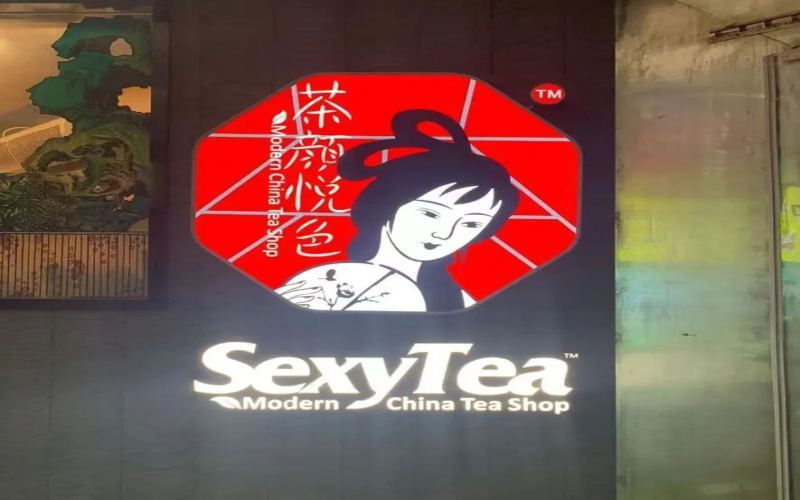
SexyTea, the English logo of Chayan Yuese, Sparks Controversy Again: An Expression of Charm or a Marketing Misstep?
Recently, Nanjing's third Chayan Yuese store sparked widespread discussion online for using "SexyTea" as its English signage. Some people believe the term clashes with the brand's classical and gentle tone, and may even be disrespectful to women; others feel that "Sexy" inherently means charming and attractive, and there's no need to overinterpret it. In fact, this is not the first time Chayan Yuese has fallen into controversy over its copy or signage. Previously, the "picking up scraps" cup copy prompted an apology for objectifying women. This article sorts out the sequence of events, various viewpoints, and regulatory responses, and includes professional coffee information channels for coffee enthusiasts and brand observers to reference. [more…]

Invalid Frappuccino Zongzi Vouchers Ignite In-Store Conflicts, Leaving Consumers and Staff in Jiangsu, Zhejiang, and Shanghai Under Pressure
During this year's Dragon Boat Festival, several Starbucks stores in the Jiangsu-Zhejiang-Shanghai region ran short of Frappuccino Zongzi (sticky rice dumplings), leaving customers holding redemption vouchers unable to collect their goods as scheduled. At some stores, heated arguments broke out between customers and staff. Some employees were reduced to tears by verbal abuse, while other customers threatened to call the police or expose the situation. Starbucks responded that it had made every effort to meet redemption demand, but some consumers remained dissatisfied with the compensation package. This supply-demand conflict triggered by a zongzi shortage reveals deeper issues in the brand's allocation and inventory management of seasonal products. [more…]

HEYTEA's "Buddha Joy Tea" collaboration was summoned for talks and taken down, as the commercialization of religious elements sparked both legal and public opinion scrutiny.
The "Buddha Joy Tea" series, a collaboration between Heytea and the Jingdezhen China Ceramics Museum, was urgently pulled from shelves just days after launch because it used religious figures such as bodhisattvas and arhats in commercial packaging. The Shenzhen Municipal Ethnic and Religious Affairs Bureau determined that it was testing the boundaries, and after being summoned for talks, Heytea quickly made corrections. This incident not only abruptly ended the viral popularity of the "Speechless Bodhisattva" cup, but also once again brought the legal red line on the commercialization of religious elements into public view. For the coffee and tea beverage industry, how co-branded marketing can strike a balance between creativity and compliance has become an issue that urgently needs consideration. Front Street Coffee always pays attention to industry trends and reminds brands that while chasing hot topics, they must not ignore the sensitive boundaries of law and culture. [more…]

New Q Grader Certification Rules: Starting in 2023, annual flavor calibration is required, with fees and validity periods adjusted accordingly
Starting January 1, 2023, the Q Grader certification system will undergo significant changes. CQI requires all certified individuals and those currently enrolled in courses to independently complete an annual flavor calibration called Flavoractiv Calibration; otherwise, their certification will become invalid, and the certificate validity period will be shortened from three years to one year. At the same time, the triennial cupping calibration must still be attended as usual. The new requirement does not need an instructor present; individuals only need to purchase designated capsules, follow the instructions, and upload their answers to renew. CQI has also introduced calibration packages for different group sizes, priced from $160 to $585, with lower unit prices for larger groups. This article will provide a detailed interpretation of the new rules and fee changes. [more…]
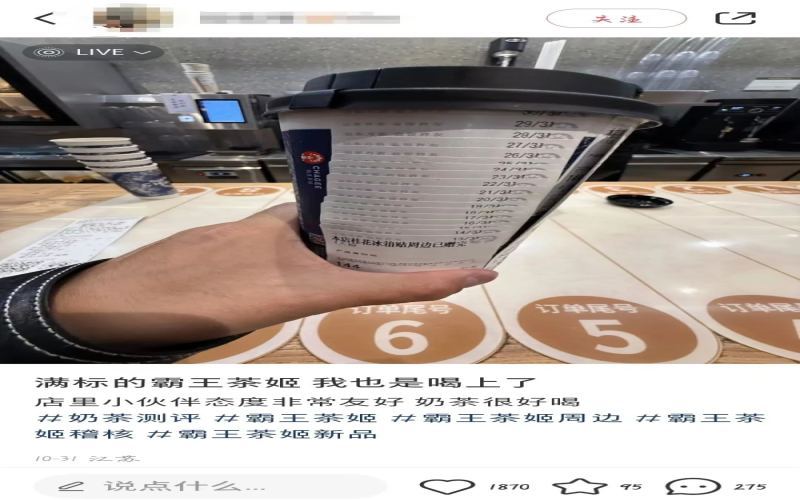
Chagee customers crazily order 0-yuan stickers and plaster them all over their cups, staff cry out that a surge in orders has turned into a surge in chaos
Recently, a heated discussion about "fully labeled Chagee" has erupted on social media platforms. Customers have posted photos of takeaway cups covered with dozens of labels, which at first glance look like a deluxe toppings combo, but on closer inspection, apart from one label showing the drink name, all the rest read "this store's merch has been given away." Behind this baffling behavior is customers exploiting zero-yuan prompt items on delivery platforms to bulk-add products, causing store label printers to indiscriminately print out a pile of invalid stickers. Staff, facing a sudden "order surge" that turned out to be a false alarm, grumble that this wave of manipulation both wastes supplies and adds to their workload. So what exactly is going on? Let's take a look. [more…]

After the roast date, blends and SOE each have their own drinking calendar.
After coffee beans leave the roaster, they continue to release carbon dioxide, and their aromas are still in a phase of recombination. Freshly roasted beans do not necessarily mean better taste right away: when there is too much gas, espresso can be erratic, and the pour-over coffee bed will visibly puff up. Understanding the changes after the roast date makes it easier to plan out the drinking rhythm for a bag of beans. [more…]
Why Do Dark Roasts Need Longer Resting? Analyzing the Impact of CO₂ Release and Oil Migration on Espresso Extraction
Many coffee enthusiasts wonder: dark-roasted beans have a loose texture, so logically the rest period should be shorter—why does it actually require more time? This article approaches the question from two angles, carbon dioxide release and oil emergence, to explain the fundamental reason why the resting period for dark-roasted espresso beans is extended. Excess carbon dioxide interferes with stable extraction on an espresso machine, affecting crema quality and troubleshooting costs; whereas medium-dark roasted beans gradually release oil during storage, which can improve crema stability and coffee body. Front Street Coffee recommends resting medium-dark roasted espresso beans for about 10 days, with darker roasts extended depending on their condition. It also reminds readers that too much oil accelerates oxidation, so attention should be paid to sealed storage and timely consumption. [more…]
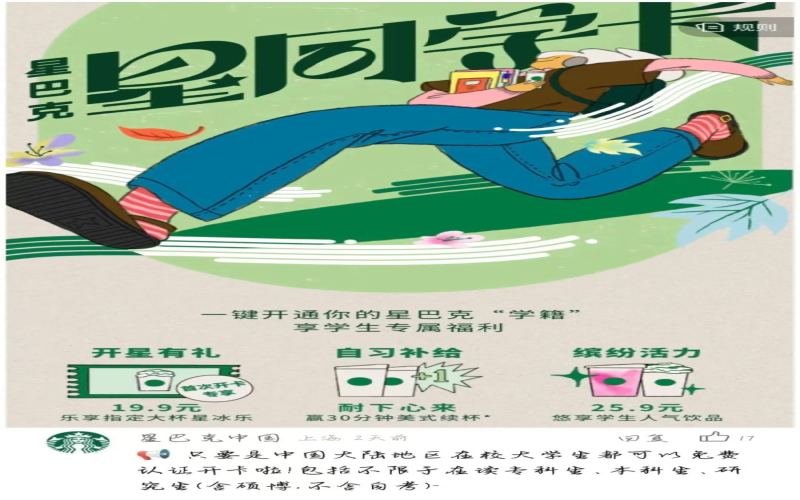
Starbucks launches a university student–exclusive "Star Student Card," free to open but offering only one refill coupon per month, sparking heated debate.
Starbucks recently launched the "Star Student Card" for domestic college students, offering free card activation upon identity verification. Students who spend at least 30 yuan in a single in-store purchase can receive a free coupon for a medium Americano valid for 3 hours, 30 minutes later, along with drink discounts. However, there are quite a few restrictions in the fine print: only one free refill coupon per month, and it must be used within 3 hours by drinking two cups consecutively. Additionally, with Starbucks covering only 15.53% of areas around universities, and affordable brands like Luckin, Cotti, Lucky Cup, and Manner being more cost-effective, whether this student card can truly retain student customers remains to be seen. Front Street Coffee is also continuously monitoring this development. [more…]

Two Heytea outlets at JD headquarters briefly suspended operations, sparking speculation and bringing the tug-of-war over food delivery platform partnerships to the surface.
Recently, news that two HEYTEA stores at JD.com's Beijing headquarters suddenly closed has continued to spread on social media, while an internal notice in circulation showed that JD.com prohibited cooperation with HEYTEA and restricted its products from entering office areas. The incident quickly sparked widespread speculation about the relationship between HEYTEA and JD.com. Some linked it to HEYTEA's delayed entry onto JD.com's food delivery platform, while others dug up old news of HEYTEA publicly boycotting food delivery. JD.com insiders later denied the rumors, and the stores resumed operations, with the closure explained as temporary water and electricity maintenance. This confusing business battle reflects the delicate positioning of tea beverage brands among third-party food delivery platforms. [more…]

The dispute over Starbucks card extension management fees has continued for years, and Starbucks is still deducting fees, sparking consumer dissatisfaction.
The issue of Starbucks Star Gift Card extension management fees has repeatedly been thrust into the spotlight in recent years. Although the controversy has persisted for several years, consumers have recently reported that their Star Gift Cards were continuously charged this fee without their knowledge. From Mr. Gu's experience to Ms. Zhang's case of being charged for 22 months, and the endless complaints on the Black Cat platform, is this charging mechanism a reasonable rule or a failure to fulfill the obligation to remind? Consumers and Starbucks each hold their own views, arguing endlessly. This article will sort out the whole story, the views of all parties, and the official terms, to help you understand this long-running dispute. [more…]

Is It Worth Getting a Barista Certification? A Full Breakdown of the Differences Between SCA Certification and Q-Grader Qualification
Does working in the coffee industry really require obtaining a certification? This is a question that many coffee professionals and enthusiasts have pondered repeatedly. In recent years, China's coffee market has grown rapidly, with all kinds of training institutions springing up endlessly, and huge disparities in qualifications and fees, leading many people to waste their money. This article focuses on two paths—the SCA Barista certification and the Q-Grader coffee quality grader certification—sorting out their level systems, exam rules, fee ranges, and suitable audiences, to help readers judge whether certification fits their own career plans, while also discussing the practical value of certificates and the importance of subsequent self-improvement. [more…]

Mixue Approx. Affiliate Sentenced to Pay 510,000 Yuan for Trademark Infringement of Mixue Bingcheng; Defensive Trademark Portfolio Becomes a Moat for Tea Beverage Brands
The new tea beverage sector continues to heat up, and the phenomenon of brand trademarks being maliciously infringed upon is becoming increasingly frequent. Well-known brands such as Heytea, The Alley, and Sexy Tea have all encountered counterfeit troubles, and this time it is Mixue Bingcheng, with stores all over the world, that is affected. A milk tea brand called Mixueyue was sued by Mixue Bingcheng for trademark infringement because its text and trademark were highly similar to the Mixue Bingcheng series of trademarks. The final judgment ordered Mixueyue to pay 512,184 yuan in compensation, and its appeal request was rejected. Mixue Bingcheng has more than 22,000 stores worldwide, and its A-share listing application has also been accepted, while Mixueyue Company has now been deregistered. Behind this lawsuit is the strategy of leading tea beverage brands building a legal moat through defensive trademarks. This article takes you through the whole case, the backgrounds of both parties, and the operating logic of defensive trademarks. [more…]
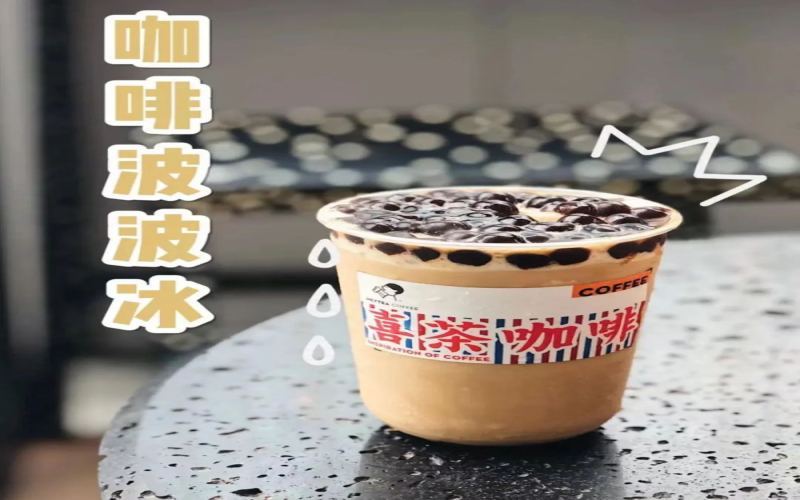
HEYTEA Coffee's trademark registration was rejected due to deceptiveness and similarity, and its lawsuit against the China National Intellectual Property Administration also failed.
In 2019, Heytea made a cross-industry foray into coffee products, blending milk tea elements into coffee and applying to register the "Heytea Coffee" trademark. However, the China National Intellectual Property Administration deemed the trademark deceptive and similar to the cited trademark "Xicha," rejecting the registration application. Heytea's affiliated company disagreed and sued the China National Intellectual Property Administration. The court of first instance upheld the rejection decision, finding that the disputed trademark could easily mislead the public about the characteristics and quality of the goods and cause confusion with another party's prior trademark. This article reviews the case process and the court's key rulings, for coffee enthusiasts to learn about brand trademark protection developments. [more…]
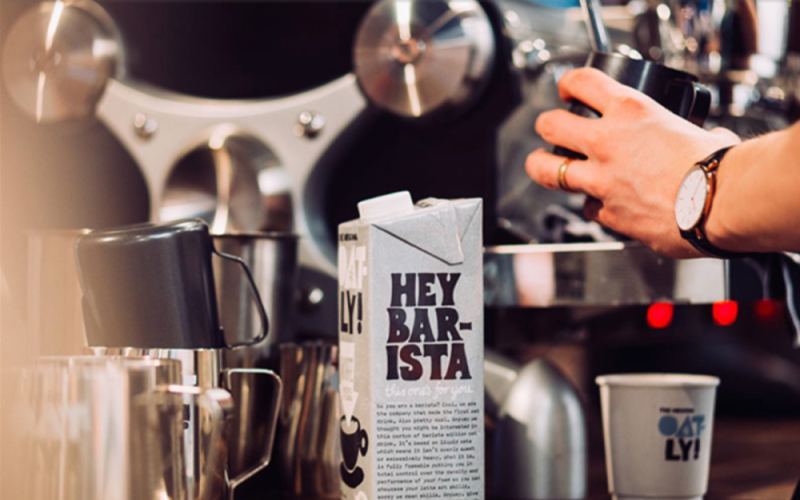
Oatly's application to trademark "Barista" in New Zealand was rejected, drawing renewed attention to the controversy over registering generic terms.
Recently, Oatly, a giant in the oat milk industry, attempted to register the word "Barista" as a trademark in New Zealand, but encountered strong opposition from local food wholesaler Bidfood. Bidfood argued that the term has long been a generic name in the plant-based milk sector and should not be monopolized by any company. The New Zealand Intellectual Property Office ultimately supported Bidfood's position, determining that "Barista" is a descriptive term when used for dairy alternatives. This incident not only highlights the challenges of determining generic names in international trademark registration but also brings to mind similar cases in China, such as the trademark squatting of "Geisha Coffee." Where exactly is the boundary of trademark protection? What potential risks does the registration of generic names pose to the industry? This article will provide a detailed analysis for you. [more…]

Blue Bottle Coffee Loses Trademark Case: Court Finds No Likelihood of Confusion with Blue Brew
Blue Bottle Coffee, deeply ingrained in people's minds with its minimalist small blue bottle image, has always been regarded as the Apple of the coffee world, and its blue-and-white colored utensils are also highly sought after by fans. However, the brand has not had a smooth journey in trademark enforcement. This week, Blue Bottle Coffee lost a trademark lawsuit in the United States, as a judge in the Federal District Court for the Northern District of California denied its motion for judgment against the coffee utensil brand Blue Brew, finding that the two trademarks are clearly different and that consumers would not be confused. What impact will this ruling have on Blue Bottle Coffee's trademark protection strategy? Let's take a closer look. [more…]

China Post's Foray into the Coffee Track Hits a Snag: An In-Depth Analysis of the Rejection of the "Post Office Coffee" Trademark Application
China Post has made a high-profile entry into the coffee market, yet it has encountered setbacks in the trademark registration process. In April of this year, several "Post Coffee POST COFFEE" trademarks submitted by the postal group all received rejection notices. This incident has sparked widespread attention: is it because common terms lack distinctiveness, or because they are similar to existing trademarks? Will the trademark obstacle affect the daily operations of Post Coffee? At the same time, disputes over "who is the first Post Coffee" continue to ferment in Xiamen, Zhongshan, and other places. This article will sort out the sequence of events, analyze the legal logic behind the trademark rejection, and bring a professional perspective from Front Street Coffee. [more…]
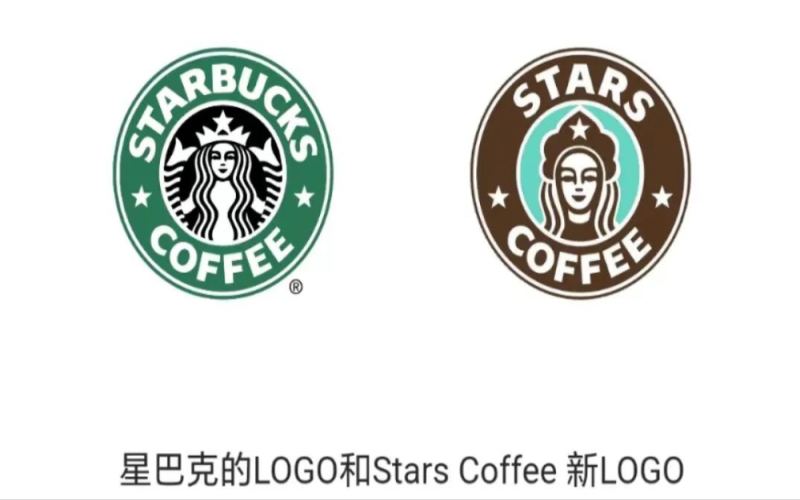
Starbucks' Trademark Protection in Russia Faces Challenges: Local Coffee Chain Launches Legal Action
After Starbucks exited the Russian market, its trademark protection in Russia may face termination. The owner of Stars Coffee, which acquired Starbucks' Russian assets, has filed a claim with a court seeking to terminate the protection of Starbucks' trademarks. This move aims to reduce trademark infringement risks and pave the way for store expansion. This article will provide a detailed introduction to the background, progress, and possible impact of this event. [more…]
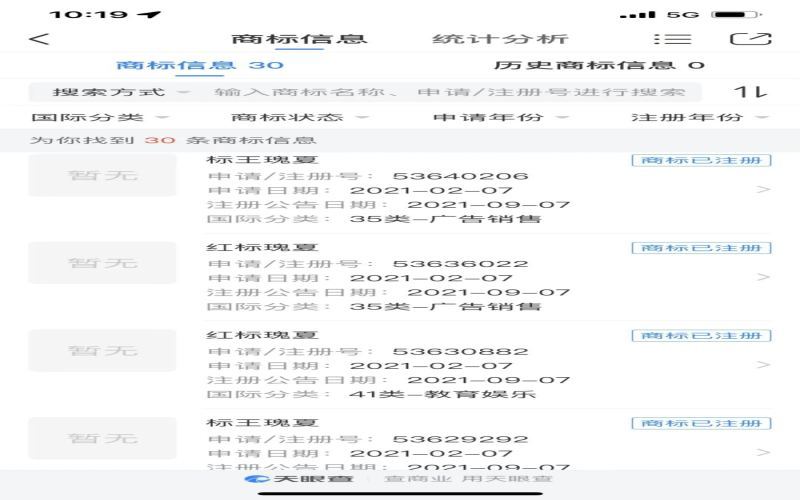
Geisha Coffee Generic Name Registered as a Trademark? Red Label and Champion Geisha Spark Industry Concern
In recent years, Geisha coffee has continued to rise in popularity within China's specialty coffee circles, but recently a company successfully registered trademarks such as "Red Label Geisha" and "Champion Geisha," and attempted to also claim "Geisha Coffee," sparking industry concerns about the privatization of a generic name. This article traces Geisha's journey from Ethiopian forests to the Panama Hacienda La Esmeralda, explains the origins of the red, green, and blue label grading systems, as well as the meaning of "Champion Geisha" in BOP auctions, and explores the risks that registering generic names as trademarks may pose to coffee professionals — a topic worthy of attention for every coffee lover and practitioner. [more…]